
A Brief History
of the South Fork Valley
Nooksack Roots
Nooksack is derived from “Nuxwsá7aq,” a place name that translates to “always bracken fern roots.” This word gave its name to the tribe and to the rivers that flow through their ancestral home. Linguistic and archaeological studies confirm that the Nooksack Tribe has lived along the South, Middle and North Forks of the Nooksack River for thousands of years. The South Fork was a particularly important place, and bore the name Nuxw7íyem, or “always clear water.” Unlike the two other branches, the South Fork is non-glacial and usually clear. A traditional village just North of Van Zandt featured longhouses on both sides of the river and an important weir location for catching spring Chinook and silver salmon.
The South Fork Valley was quite different when Nooksack families lived in traditional villages of cedar plank longhouses. Douglas Firs and Western Red Cedars towered over the landscape. The largest tree ever recorded – the Nooksack Giant, with a confirmed height of 465 feet – was a few miles upriver on the North Fork. The rivers ran strong and cold, with abundant salmon runs. Elk, deer, bear, coyotes and many other animals ranged freely through the Valley. It was an area of abundance – wetter and colder than the coast, yet fertile and protected from strong wind and floods. Like today, the area offered a quiet sanctuary between Kulshan and the Salish Sea.
European Arrival
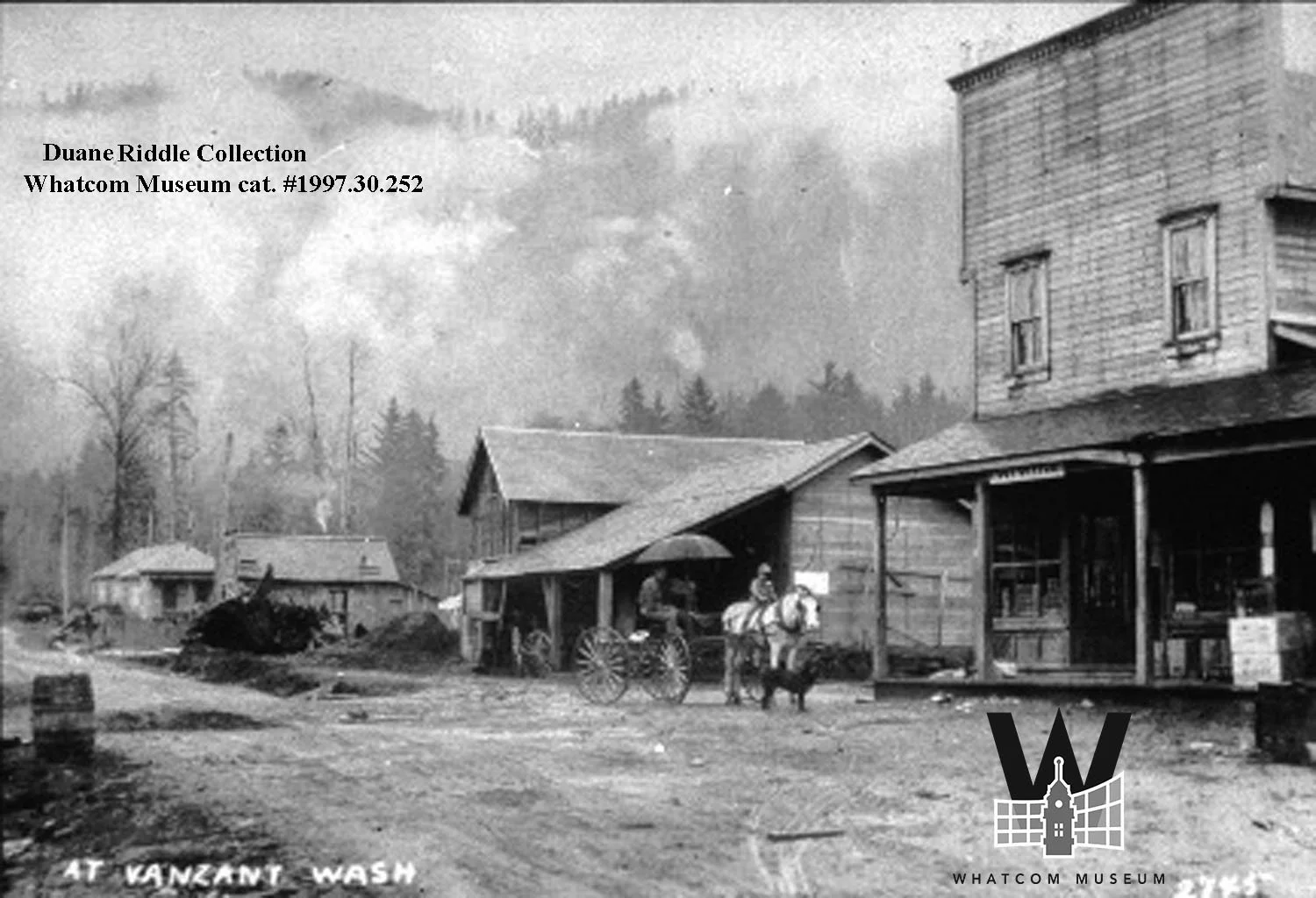
White settlement along the Nooksack River followed the same pattern as many other areas in the Pacific Northwest. First came trappers and traders in the early 1800s. They were followed by prospectors, adventurers, and soldiers who got a taste of the Pacific Northwest during the Civil War. Then, as the coal-powered machinery of the late 1800s made it possible to cut, mill and transport the area’s huge trees, larger numbers arrived, seeking work as loggers, millers and miners. Enormous stumps, eight feet or more at their base, still dot the landscape over 100 years since they were felled. Local residents show off these huge stumps, pointing out the springboard notches where sawyers once stood.
By 1900, most of the lowland trees were turned to lumber, the stumps burned and pulled, and the land converted to farmland. The acres of cleared land on either side of the river were incredibly fertile. Rain storms rolled in from the Salish Sea and hung up over the two tall foothills to the East and West of the South Fork Valley. Then, as today, the Valley gets twice as much rain as Bellingham, only 13 miles to the East. The Twin Sisters, toward the Southeastern end of the Valley, were seasonally loaded with deep snow, which melted through the Summer into the cool, clear headwaters of the South Fork.
Homesteaders – not just itinerant laborers – moved in to stay. The land was divided between hundreds of families. Many were connected to the logging or milling companies, but more and more made a living through farming, livestock, mining, trade, and providing goods and services to loggers and millworkers. Early settlers came from all over the globe – Britain (Potter, Williams), Sweden (Nelson), Germany (Schnorbuss, Rutzatz), Poland (Sygitowicz, Radonski), Canada (Caron) and many others. These names, or altered versions of them, are now painted on street signs, rivers and other landmarks around Van Zandt.
When a small mail depot was built in 1892, one Scottish homesteader, Julian Van Zandt, became the growing town’s first Postmaster. This was a trusted role in a small community, and it wasn’t uncommon for a town to be named after the postmaster.
One hundred years ago, the South Fork Valley was home to well over 10,000 people, nearly four times the current population. Before cars and roads, the only way to travel was by horse or by foot. Eventually, a railway connected the Valley to Bellingham via Park Road and Lake Whatcom. The primary purpose of the rail line was hauling logs to mills, and milled lumber to the town, but a few passenger cars were added as demand grew. If a millworker wanted to go to a neighboring town for a dance or a meal, he’d just wave his hand to the train conductor, who’d slow down enough for the passenger to jump on.
Van Zandt Established
Van Zandt was one of several mill towns along the Valley rail line. Acme and Wickersham retain their names and township status, while others – Case, Comar, Clipper, Doran, Saxon – are fading from memory. Most had their own stores and churches. A few of the larger towns had schools, taverns, and even hotels. As cars and trucks became more common, a rough road was cut through the Valley, and bridges were built over the different branches of the Nooksack to provide more access to timber stands and new migrants seeking cleared land.
Homesteading was hard, difficult work. Houses and barns had to be rough cut, framed and finished with local timber. Stumps the size of small houses had to be pulled from the mud, or burned for years. Predators like cougar and coyote threatened livestock. The rain was omnipresent, a narrow window of two or three months for cutting feed grass, and never enough covered space to keep it dry.
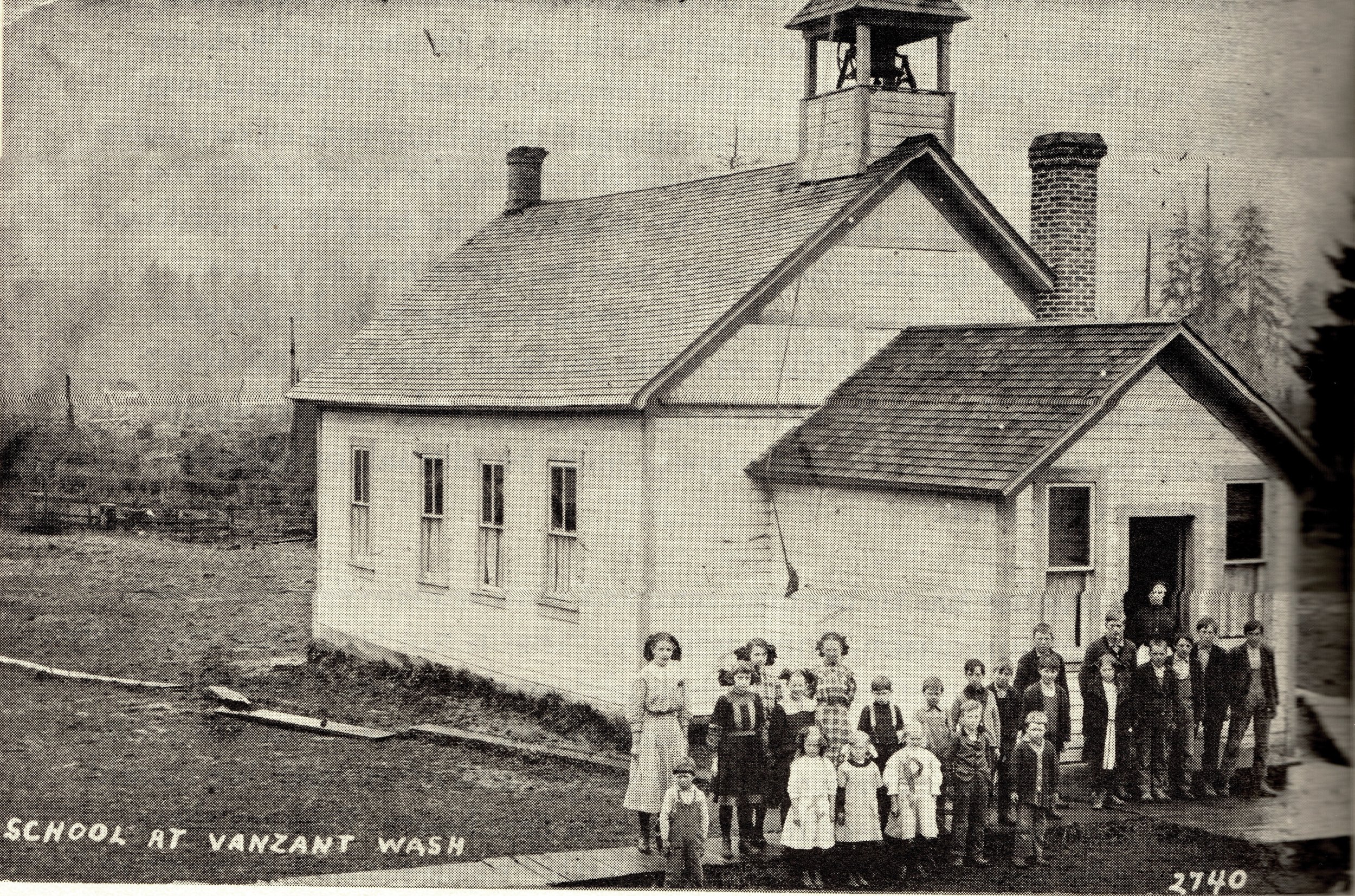
Still, families grew and prospered. And as they grew, they built schools for their children. The first school in Van Zandt was built in 1891 on Potter Road. A local woman, Edith Johnson (later Edith Van Zandt), was hired as the teacher for the small, multi-lingual group children, ranging between 5 and 19 years old. Three of Edith’s sisters taught Van Zandt children for almost two decades.
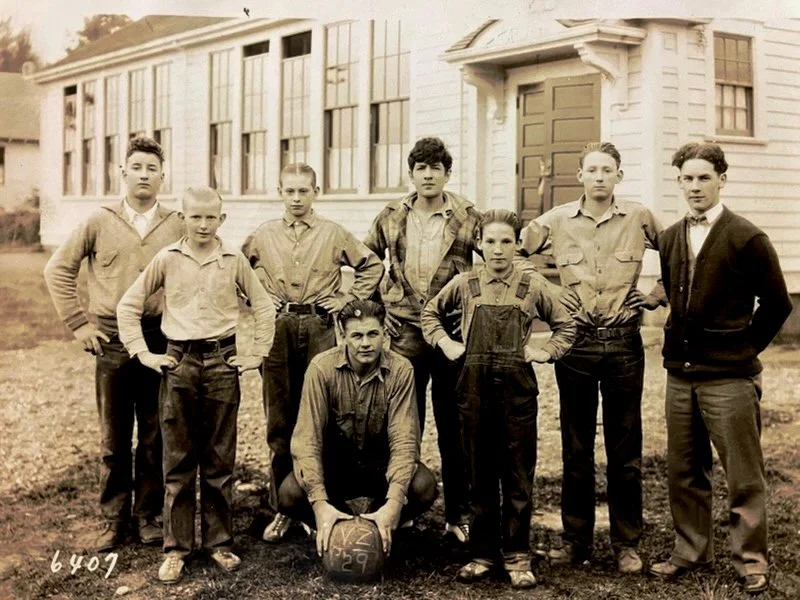
As the town grew, residents started working with Whatcom County officials to construct a larger, two-room schoolhouse near the mill. Construction began in 1925, and the building was officially opened in 1927. Today’s Van Zandt Hall features some key artifacts from this schoolhouse period, including a slate chalkboard, an original desk, and the old school bell, cast in Cincinnati, Ohio in the early 1920s. The building served as a school for older children until 1941, when a sharp population decline and easier transportation caused the district to consolidate. In 1951, Whatcom County gifted the building to Van Zandt residents.
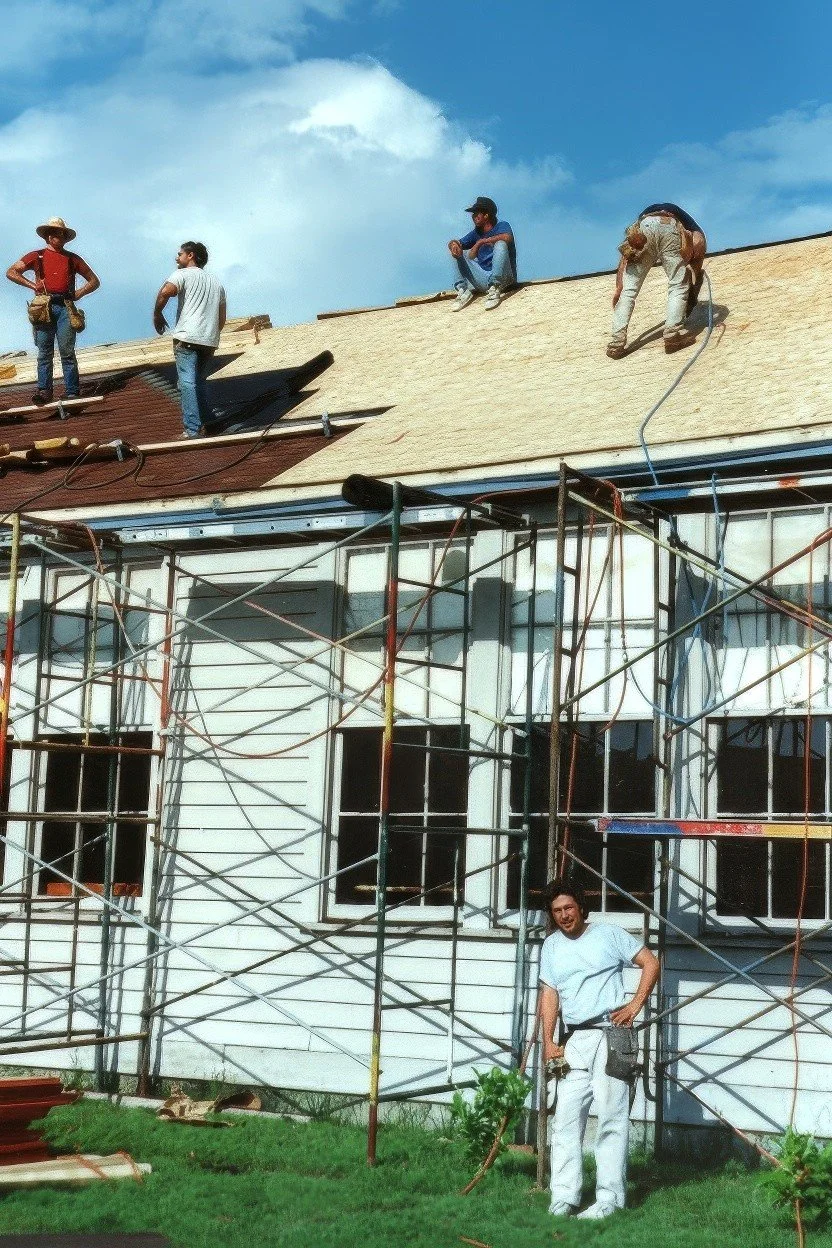
The Van Zandt Community Hall
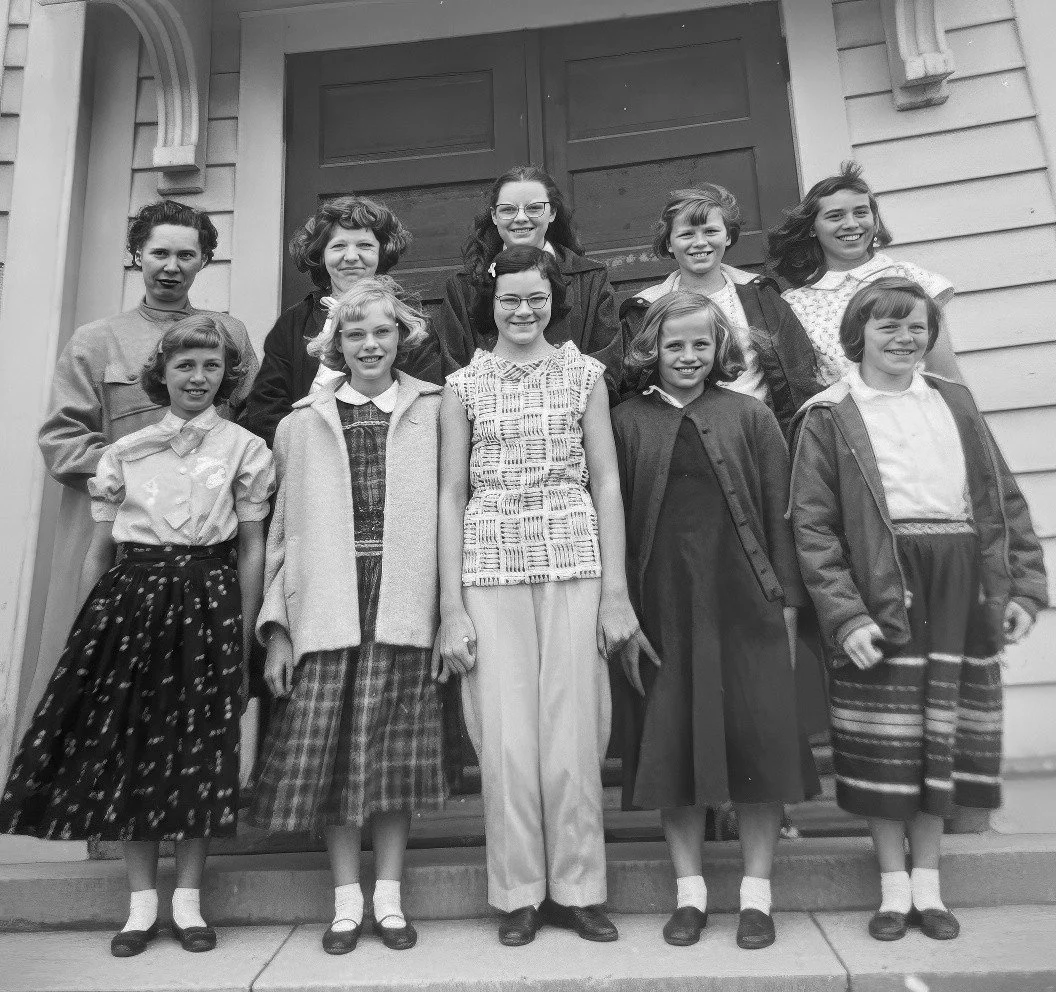
For 75 years, local volunteers have managed, maintained and improved the Van Zandt Community Hall. This vital gathering place has hosted potlucks, classes, concerts and dances, films, markets and seed swaps, family reunions, graduation parties, and countless other public and private events. The original schoolhouse floor is covered by 6 layers of period-specific flooring. The roof has been replaced at least five times. The building has been painted again and again. The coal room was demolished. Floor joists were heroically excavated one shovel at a time, and replaced with locally milled and donated beams. A park was built to memorialize local youth who passed too early. A radio station was tucked into an old closet.
The surrounding community has seen waves of change. The Nooksack Tribe gained federal recognition and full treaty rights in 1973, and now there are about 2,000 enrolled members of the Nooksack Tribe, with two sizeable communities North and West of Van Zandt. The Tribe plays a critical role in protecting fisheries and the Nooksack River watershed. Most of the original homesteader families have dissolved or moved away, but some are still present, proud to share stories about the early days. Ask them about when the mill burned down, or the bridge collapsed, or about the Wink Eye Tavern, or the skating rink in Wickersham. Then sit back and listen to the stories.
New waves of people came to the Valley. Hippies, draft dodgers and back-to-the landers arrived in the 1970s, and for decades the Valley was the last refuge of blue collar workers in search of cheap land and minimal oversight by the County. Californians moved en masse to Washington in search of cheaper housing, and a fair share arrived in the Valley. They either learned how to deal with the rain and blackberries, or they left. Today, new arrivals include remote workers in the tech industry, retirees, and Canadian berry farmers. Longer, hotter Summers threaten the seasonal snow that cools the South Fork and keeps the Cedars and Firs green and healthy. However, the essential Valley character remains the same. Locals have an abiding appreciation for the place’s natural beauty, uniquely situated between the mountains and the sea, the coming and going of the seasons, glorious summer days along the river, and cold starry nights around the bonfire.
The current managers of the Hall, the Van Zandt Stewards, are among the most ardent and committed community builders in the Valley. They recognize the distinctive beauty of the place, and want to share and celebrate it. “Van Zandt is a state of mind.” “This place is magical.” “Your Voice of the Valley.” “Everybody’s welcome.” “Onward.” These are the comments you hear when you come to a gathering at the historic Van Zandt Hall. If you have read this far, you have likely visited the Hall, or you are interested in the history of this small corner of the Pacific Northwest. In either case, welcome to the community.
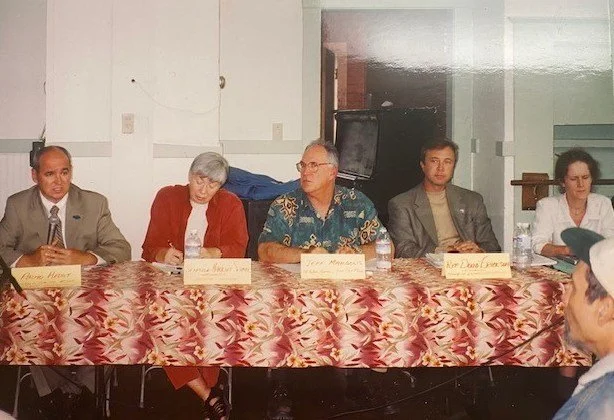
The South Fork of the Nooksack River flows from the iconic Twin Sisters – smaller but no less striking than their big brother – Kulshan (Mt. Baker). Just before merging with the larger, swifter North Fork, the small town of Van Zandt sits at a confluence of river, highway and railway. With a current population of just a few dozen rural residents, Van Zandt is one of several South Fork Valley towns with a long Native American tradition, a relatively recent history of homesteading, and a bright green future as a foothills rainforest.